
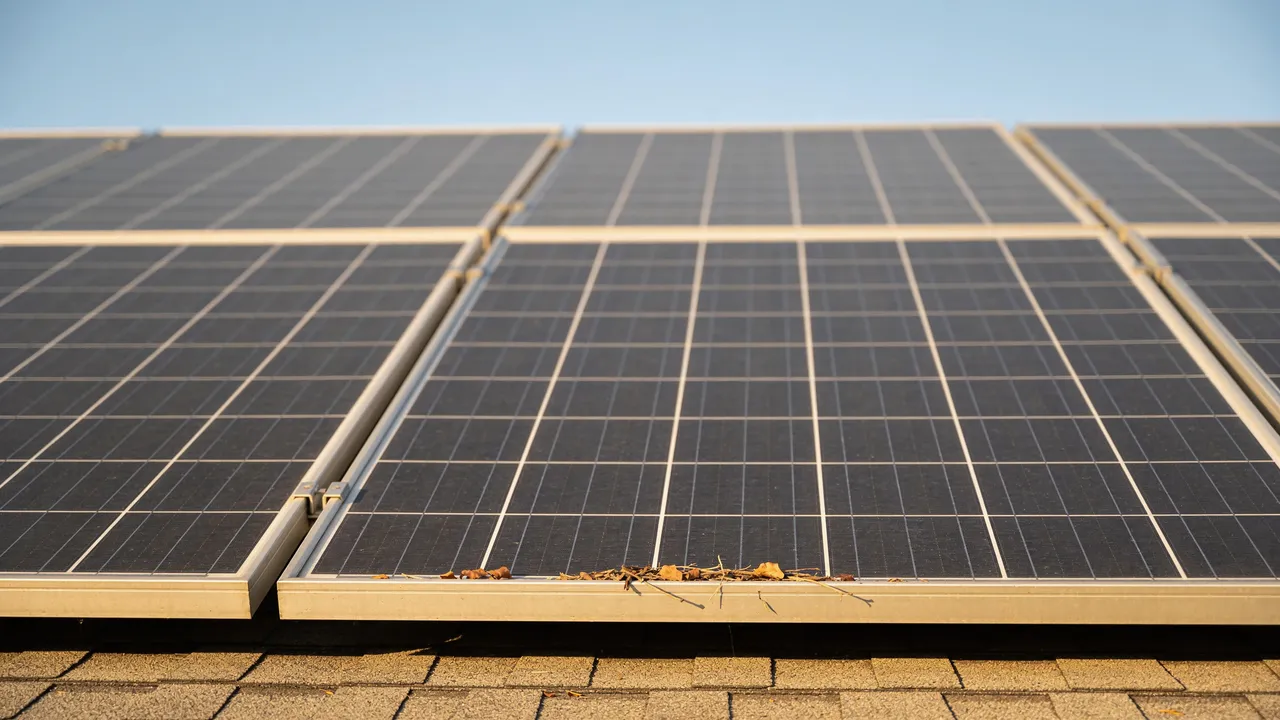
You keep seeing pigeons disappear under the same edge of the array. Washing the glass may remove today's mess. The entry point needs its own inspection.
What should you look for?
From the ground, note where birds enter, whether nesting material is visible, and where droppings collect. Take a short video if a still photo does not show the entry point. Stay on the ground; the gap may contain wiring and connectors. If the system shows an arc-fault or other inverter alert, stop the cleaning inquiry there and call your solar installer or a qualified electrician.
If birds and an electrical alert show up together, let the installer diagnose the fault. A surface cleaner should flag visible damage and avoid washing around exposed parts until they are assessed.
What can cleaning solve?
A cleaning removes the deposits the crew can reach on the panel glass, plus any debris in the agreed work area. Ask whether nest material, gutters, and roof surfaces are included, since those are different tasks. The wiring under the array is your installer's check, so ask for one if birds have been nesting there.
The module maker's cleaning instructions still control the tools and water used. Adhered deposits may require more care than loose dust. Ask how the cleaner will soften them without dry scraping or high pressure. Our method guide lists questions to put to a cleaner.
What does bird proofing add?
A perimeter guard closes the gap under the array where birds get in. The guard must fit the panel mounting and leave appropriate drainage and ventilation. Roof shape, array edges, and safe work access affect installation. Ask how the guard attaches and whether the module maker or installer has restrictions.
Cleaning and guard work are separate quote items. If the crew sees damaged wiring or loose mounting, that repair belongs with the installer before closing access. If birds are actively occupying a nest, ask the provider how it will handle the site before work starts. The original visit date may need to change.
Ask whether the quote includes checking every exposed edge of the array or only the edge shown in your photo. A guard on one side does little if another entry remains open. The provider should also identify any portion it cannot reach safely and explain who will inspect that area. This is a fit question, not a fixed per-panel material calculation.
Plan for follow-up after a guard is installed. A safe ground-level photo of each edge can show whether birds are using a new opening. Keep the installation and cleaning records with the array documents. If an alert appears later, ask the installer to diagnose its cause.
How do you compare quotes?
Send the address, panel count, number of stories, and any inverter alert. Mention roof photos or an entry-point video available for follow-up. Ask each provider to separate surface cleaning, debris handling, and guard installation. This makes the scope and price easier to compare. See our bird-proofing cost guide for access factors.
Total Solar Cleaning can assess cleaning and bird proofing. Electrical components need the solar installer or a qualified electrician. Use the contact form or call (833) 444-4173; photo sharing can be arranged after first contact.