
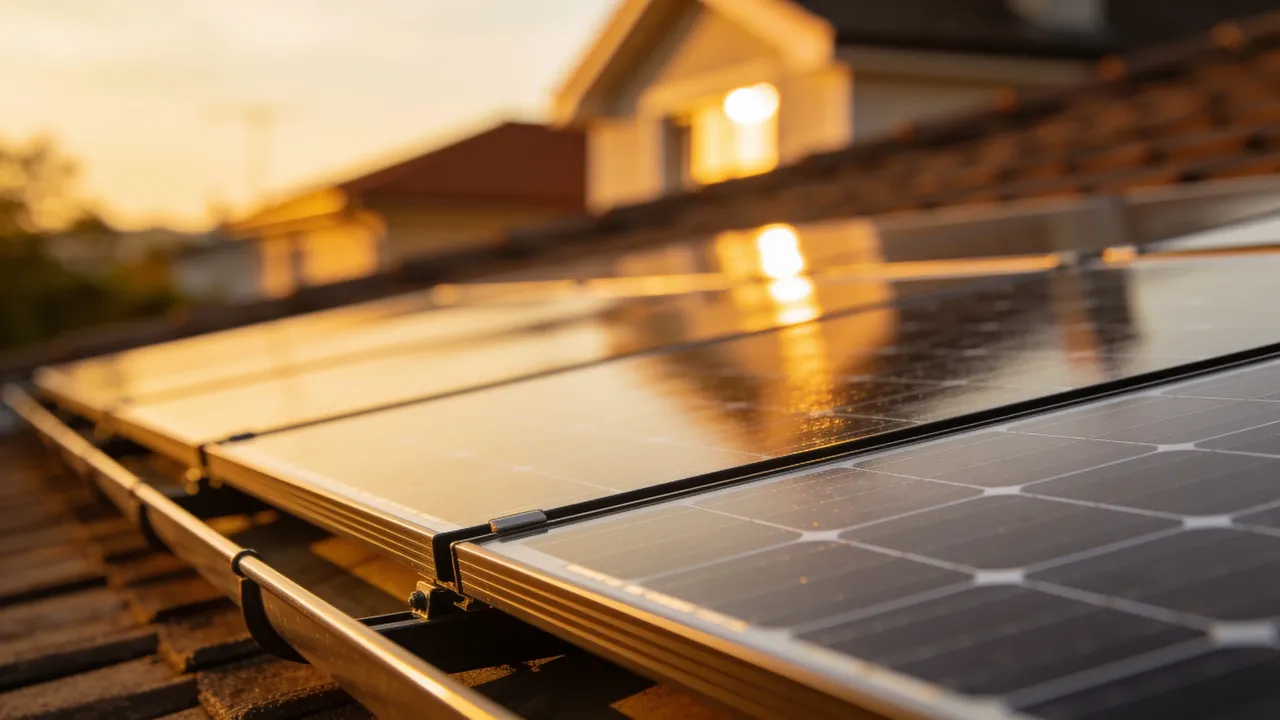
You want the panels clean and you don't want to hand the manufacturer a reason to deny a claim later. Those two goals rarely collide.
What does a solar panel warranty actually cover?
Most panel warranties come in two parts. A product warranty covers defects in materials and workmanship. A performance warranty promises the panel will still produce a stated share of its rated power after a set number of years. Neither covers damage someone caused, and a cleaning method the manual forbids is one way to cause it. The maker reads the claim and decides.
What kind of cleaning can void a solar panel warranty?
A warranty is at risk when cleaning damages the panel with a tool or chemical the maker rules out. Maxeon's homeowner FAQ for SunPower Maxeon panels is a clear example. It says to use soft brushes and squeegees, warns against scouring powder, steel wool, scrapers, blades, or other sharp tools on the glass, and states that using harsh materials like these without consultation will invalidate the product warranty. The same page says to avoid hard, mineral-rich water and suggests distilled or deionized water where tap water is hard.
Keep the invoice from each cleaning, with the date and the method written on it, next to your panel paperwork. If a claim comes up years later, the maker will want to know what happened to the panel.
Is pressure washing solar panels allowed?
Whether pressure washing is allowed depends on the manual, and manuals don't agree. The Maxeon FAQ above says normal water pressure is more than enough but allows pressurized water up to 100 bar, as long as the nozzle stays well back from the panel. Don't assume another brand allows the same. Total Solar Cleaning doesn't pressure wash panels at all, so the question only matters if you clean them yourself or hire someone who does.
Where do I find my panel maker's cleaning instructions?
Start with the brand and model of the panels. Both should be in the paperwork from your installer, and the installer can tell you if the papers are gone. Then look up that model's installation manual or warranty on the maker's website and find the cleaning or maintenance section. It names the water, tools, and cleaning agents the maker accepts.
Does hiring an ISCA-certified cleaner protect the warranty?
Certification tells you the cleaner trained in solar-specific cleaning methods and in working safely around live solar equipment. It doesn't change the terms of your warranty, so the maker's manual still sets the rules. Total Solar Cleaning's owner, Mitch McKay, holds the ISCA Certified Solar Panel Cleaner credential. Every job uses deionized water and soft-bristle brushes, with no chemicals and no pressure washing, which matches the cleaning guidance manufacturers publish.
What to ask a cleaner before you book
- What water do you use? Deionized or other purified water leaves no mineral film.
- What touches the glass? You want a soft-bristle brush, nothing abrasive.
- Will you use a pressure washer or any cleaning chemical?
- How will you reach the panels, and do you carry liability insurance?
- Will the invoice note the date and the method used?
Compare the answers with your module manual. For the bigger questions of owning a home system, from paying for it to selling a house that has it, see the U.S. Department of Energy's homeowner's guide to going solar. For our own answers to common questions, see the FAQ.
To book a cleaning, call (833) 444-4173 or use the contact form. Include the panel brand and model if you want the method checked against that maker's instructions.